
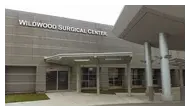
Wildwood Surgical Center 2025 Data Breach
The Wildwood Surgical Center 2025 data breach involved unauthorized access to the Ohio outpatient surgery center's network and acquisition of certain data from June 24 through June 26, 2025.
The organization has not published how many were affected, so the incident cannot be placed on this scale.
Exposed Data Types
5 sensitive15- Protected health information
- Medical treatment information
- Diagnosis information
- Health insurance information
- Medical billing information
- Personal information
- First and last names
- Social security numbers
- Government identification numbers
- Driver's license numbers
- Passport numbers
- Dates of birth
- Bank account numbers
- Payment card numbers
- Credit card numbers
About This Breach
Wildwood received an alert about suspicious activity June 26, secured its network, and opened an investigation with outside specialists.
A data review lasting nearly eleven months was completed May 13, 2026. Possible fields were names, SSNs, government-identification numbers such as driver's-license or passport numbers, dates of birth, medical treatment and diagnosis, health insurance, medical billing, bank-account numbers, and payment or credit-card numbers. The organization did not publish a verifiable affected-person or record total. An undisclosed count does not mean the incident had no impact; it means the public sources do not provide a reliable total.
How Was the Wildwood Surgical Center Breach Confirmed?
The primary source is Reynolds Road Surgical Center LLC dba Wildwood Surgical Center's “Data Incident Notice” dated July 13, 2026 on its own site. The organization directly explains the access and acquisition period, network response, May 13 data finding, information categories, mailed notices, federal law-enforcement notification, and assistance line.
Claim Depot connects the official organization page with its company profile and independently summarizes the three-day event, file-review process, and personal, protected-health, and financial data scope. The two sources align on core dates and fields. LeakData uses only supported details and does not estimate the unpublished population or actor identity.
What Happened From June 24 Through June 26, 2025?
Wildwood was alerted June 26 to suspicious activity in its computer network. The organization secured the network, took portions offline, and retained specialists to investigate the nature and scope. The investigation determined that certain network data was both accessed and acquired without authorization from June 24 through June 26.
“Accessed and acquired” is a stronger extraction finding than an event reporting possible viewing alone. The public page does not identify the initial entry vector, actor, malware, ransom demand, or online publication of the acquired data. Unverified person counts, data fields, and threat-actor claims are not treated as part of the public incident scope.
What Identity Information Was Affected?
Information varied by person but could include first and last names, Social security numbers, dates of birth, and government-identification numbers such as driver's-license or passport numbers. Not every person should be assumed to have all fields. Together, the data creates long-term risk of fraudulent credit, tax-identity misuse, government-document impersonation, and targeted social engineering.
Recipients should inspect credit reports for unfamiliar accounts or inquiries and, if an SSN was involved, consider free credit freezes, a fraud alert, and an IRS Identity Protection PIN. When a passport or driver's license was affected, guidance from the issuing authority should be reviewed. Identity images and verification codes should not be provided in messages claiming to come from Wildwood.
How Were Medical and Health-Insurance Data Affected?
Wildwood confirmed that medical treatment and diagnostic information and health-insurance information could be present in the data set. Those fields can connect a person to a particular surgery, health condition, treatment, or insurance relationship. Knowledge of outpatient-surgery context may make fraudulent provider calls, follow-up appointments, or medical-identity scams more convincing.
The official page does not separately list prescriptions, laboratory results, medical images, medical-record numbers, service dates, physician names, policy numbers, or member numbers. LeakData does not assume them. Individuals should review patient portals and explanation-of-benefits statements for unfamiliar services, providers, claims, or contact changes and verify suspicious entries directly with the institutions.
What Is the Risk From Financial and Medical-Billing Information?
The event could include medical-billing information, bank-account numbers, and payment or credit-card numbers. These fields may enable unauthorized transactions, fraudulent payment redirection, or scams using authentic surgical billing context. The public notice does not separately confirm routing numbers, card expiration dates, CVVs, PINs, account balances, or online-banking passwords.
Recipients should monitor bank and card activity for unfamiliar transactions, new payees, or contact changes and report suspicious activity to the financial institution. A medical-billing payment request should be verified through Wildwood's official channel. If card data was involved, the issuer may determine whether a replacement is appropriate; full account or card details should not be given in unexpected calls.
How Many People Were Affected and How Did Wildwood Respond?
Wildwood said it would mail letters to affected individuals for whom it had addresses, but did not publish a deduplicated nationwide total.
The organization took network portions offline, implemented additional security tools, safely restored operations, notified federal law enforcement, and provided detailed protection guidance. Its dedicated assistance line is 833-319-7579. Individuals should regularly monitor credit reports, financial statements, and explanation-of-benefits forms.
Verification and editorial method
LeakData compares the incident name, date, affected-record count, and exposed data types with accessible sources. Unverified fields are not presented as facts, and records are updated when new evidence becomes available.
Report missing or incorrect information


